VitVio: Harnessing AI to Transform The Operating Theatre

Our tech editor explores how we can streamline operations to free up surgeons’ time
Artificial intelligence (AI) is moving at a rapid pace, capturing over 50% of venture capital funding in the past quarter alone.1 Moreover, this is for the fourth straight quarter and is valued at over $90 billion. It is estimated that healthcare AI has received approximately $3 billion in the same time period and over the course of the year, it has far exceeded expectations with over $11 billion.2 Keeping this in mind, I had an interview with David Laith Rawaf, the head of clinical strategy and partnerships at VitVio. They are a UK-based healthcare AI company changing the way operating theatres work with the aim of giving back surgeons time to focus on their patients rather than on administrative tasks.
SG: What is VitVio?
DLR: VitVio is designed to act as a digital assistant for the operating theatre. Our AI agents take over routine but time-consuming tasks – from logging surgical phases and coordinating staff to preparing operative notes.
SG: How exactly do you ‘digitise surgical procedures in 3D’?
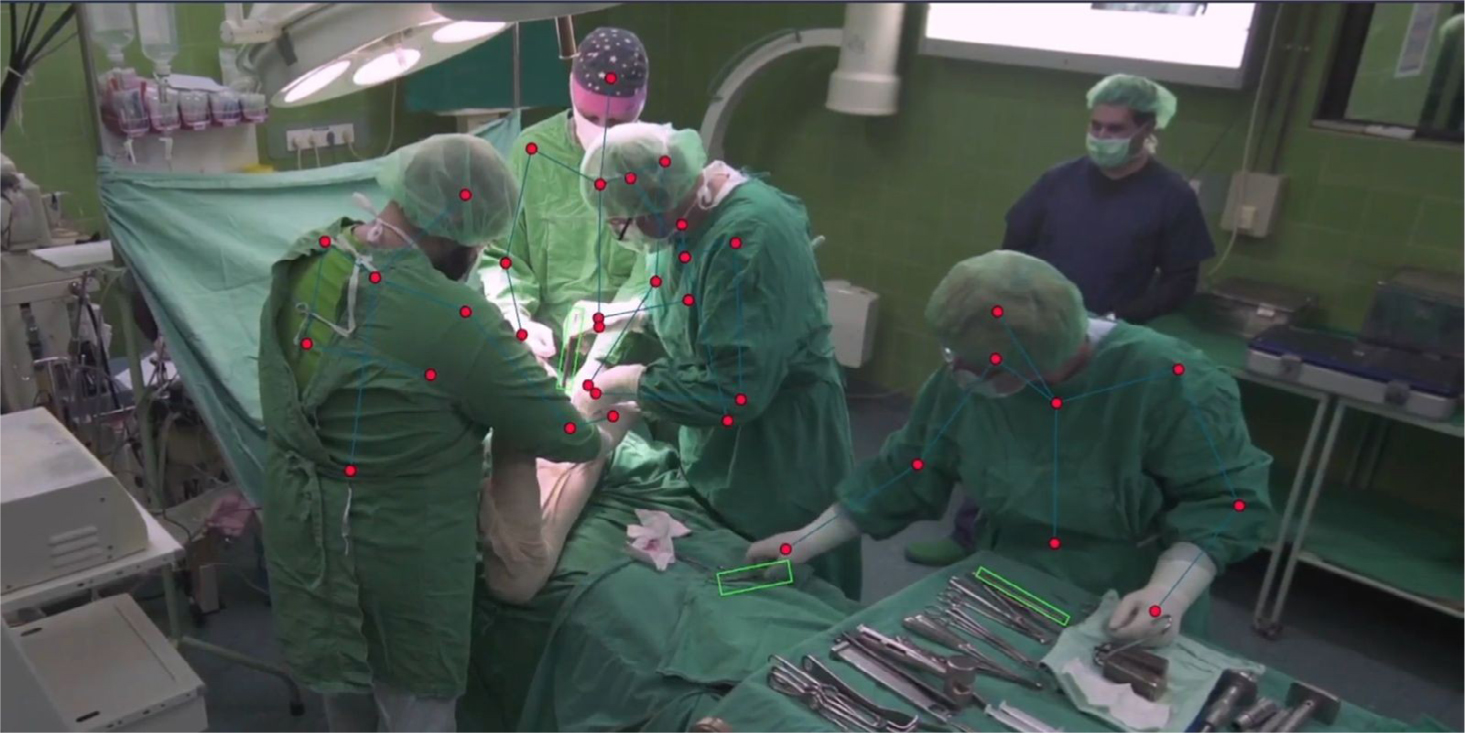
DLR: VitVio's system builds a real-time digital twin of the operating theatre in 3D that identifies people, actions, timing and intent throughout any given surgical operation. Using computer vision and ambient sensors, it maps the room spatially to capture staff, tools and patient activity as structured data, providing live visibility into who is doing what, when and why. These data enable AI agents to automate tasks such as logging surgical stages, coordinating staff, preparing operative notes and flagging delays or risks.
SG: Who are the founders?
DLR: We’re a multidisciplinary team of technologists and a surgeon. I’m an orthopaedic registrar with a background in academic research and healthtech innovation in surgical simulation with Inovus Medical among other AI solutions in research and education. Alongside me are colleagues Thomas Knox (chief executive officer), Peter Rennert (chief technology officer), Maks Kozarzewski (chief operating officer) and Aleks Pajewski (chief product officer), who previously built large-scale AI and computer vision systems in other industries, including autonomous retail. They’ve led deployments with companies such as AiFi and Standard AI, working with partners like Aldi, Carrefour and the O₂ Arena.
In addition to the founding team, we have a growing core team of 15 staff working with over 150 surgical and technical advisors (including the likes of Professor Shafi Ahmed and Joe Mullings) who we rotate to fine-tune the solution. Together, our blend of surgical and technical expertise allows us to build tools that address real clinical needs while being robust and scalable.
SG: How did the idea for VitVio come about?
DLR: The idea came from a shared frustration. In the operating theatre, surgeons and nurses spend far too much time on administrative tasks, or waiting for information that should already be available. Meanwhile, we had seen how computer vision was transforming other industries by tracking workflows in real time. We could already see a similar use case in retail, manufacturing and sports analytics so we asked ourselves: why not apply the same principles in surgery? The answer to that question became VitVio.
SG: How does VitVio work to help surgeons and theatre teams?
DLR: At its core, VitVio watches and listens so staff don't have to record everything manually. The VitVio system:
• logs surgical stages automatically (like first incision or wound closure);
• provides live time estimates for when a case will finish, helping the next patient and team prepare;
• alerts staff when delays or risks occur so they can act early;
• tracks equipment and instrument use, reducing waste and improving tray efficiency;
• produces operative notes after the procedure, easing documentation burdens and maximising coding opportunities.
For staff, this means fewer calls and forms – and more time for patient care.
SG: Are there any pilots in the UK? Any preliminary data?
DLR: Yes, the Royal Orthopaedic Hospital in Birmingham is our first public partner, with more that have not been announced yet. It's early days but feedback has been encouraging: teams say that the system gives them better visibility and reduces manual overheads. We’ll be publishing more formal data as pilots progress.
SG: What role do you think AI has to play in surgery in the coming years?
DLR: AI won't replace surgical teams – it's here to support them. The biggest impact will come from automating the repetitive, low-value tasks that take time away from direct patient care. That includes documentation, scheduling updates and compliance checks. If we get this right, AI will quietly operate in the background, keeping theatres running smoothly while leaving decision making firmly with the clinicians.
SG: How can surgeons get involved with AI in surgery?
DLR: Engagement is key. Surgeons can:
• get hands-on experience – Volunteer for pilot projects in your hospital to see how AI tools perform in practice.
• shape adoption locally – Join innovation or digital committees in your trust to ensure that new technologies are designed around surgical needs.
• keep your ‘TQ’ high – Stay informed through reading, training courses and professional bodies focusing on digital surgery. As Professor Shafi Ahmed reminds us, your ‘technology quotient’ matters as much as your clinical skills.
• learn through structured programmes – Take part in innovation training like BiteLabs (where I teach) or the NHS Clinical Entrepreneur Programme to deepen your knowledge and network. Don't forget the Royal College of Surgeons of England Innovation Hub with the Bulletin's own editor, Ryan Kerstein.
• collaborate directly with innovators – Don't hesitate to approach healthtech startups or research groups. Offering your clinical perspective is often invaluable and very welcome.
Your input at every stage ensures that these tools evolve in ways that genuinely support patients and surgical teams.
SG: Anything else you’d like to add?
DLR: The digital revolution in surgery is already underway. The best outcomes will follow when clinicians and technologists build together. Our vision is simple: every team member aligned and informed, every operating theatre running efficiently and every surgeon freed to focus on the patient.
SG: Thank you so much, David! It was a pleasure to speak with you, learn more about VitVio, and get advice on how other surgeons can take their first steps in getting involved with AI and also technology in healthcare. The rapid uptake of various tech into healthcare is changing the way we practise and I completely agree that jobs like administrative tasks need to be automated so that clinical teams can focus on what matters most: our patients.
DLR: Thank you for having me!


